
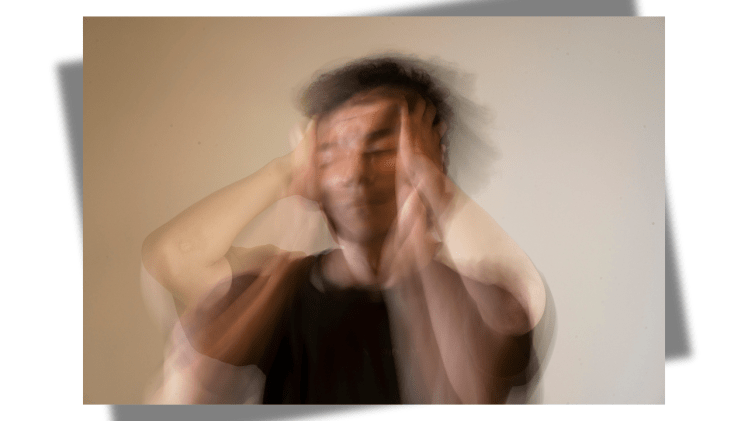
Supporting a loved one with long-term mental health problems is hard. And it can be a thankless task. The afflicted person is likely to be largely self-absorbed, because that is the nature of the beast. They are consumed by their own discomfort and unhappiness, and, because they are struggling to manage their own feelings, they certainly can’t cope with yours.
And people on the outside aren’t much better.
The internet is awash with patronising, unrealistic advice for those who are struggling to keep their head above water, day after day, in the ongoing care of a partner or family member who is suffering depression, anxiety, anger, and/or addiction.
“Talk calmly and kindly to them” they gush. “Explain how their behaviour is affecting you — but don’t do it in a critical way. Make sure they feel heard and supported. Be patient with them. And gently encourage them to seek professional help.”
Have the authors of such advice ever actually lived with a desperately unhappy, often unpredictable, and habitually defensive individual who absolutely refuses to try counselling because “it doesn’t work”? I seriously doubt it. When, at your most drained and exhausted, you desperately search for some crumb of comfort and encouragement, this is the kind of do-gooder rubbish that kicks you squarely in the gut. The focus is always on the ‘patient’ and how they feel. It becomes difficult not to end up resenting them and their selfishness, after years spent compromising your life and putting your own needs to one side. You love them… but you don’t always like them.
In the UK, and in Wales in particular, mental health care is in crisis. The government has sworn to drastically improve the service… but there is little evidence to suggest that they are having much success. Earlier this year, my partner of 18 years, who has been carrying the pain of his dysfunctional childhood like a lead weight for all of his adult life, had a breakdown. It hit like a ton of bricks, and this time I had nothing left within me to be the strong one. In his misery, he was reactive, uncaring, and at times downright nasty. He was contemptuous of my feelings — because everyone was the enemy, including me.
To cut a long and dark story short, he eventually agreed to seek help. The loving, caring part of him would emerge, briefly, before being engulfed again by bastard him — but it was enough to give hope. In those moments, he’d apologise for “putting you through this again”, appearing genuinely sad. He recognised that we were at breaking point and agreed to see our doctor. Not only that, to my relief, he also agreed to be assessed by the local mental health team. I was no longer dealing with this alone. It was no longer my sole responsibility (he hasn’t been in contact with his family for several years).
Unfortunately, we discovered that the mental health team was lousy, disorganised, uncaring, and dishonest. They messed him around, broke appointments, failed to return phone calls, and achieved absolutely nothing in the process. I was furious with them, given that it had been a brave decision for my partner to make, to set aside his distrust and be open to help. They could so easily have pushed him over the edge — had it not been for our doctor, who picked up the pieces and worked with him to find a medication that was compatible and with no obvious side effects.
He still hasn’t had counselling but the medication has definitely helped him to get on top of his anxiety — which, in turn, has calmed him and allowed him to feel happier. He still has subdued days but he is mostly in a much better place, which is a pleasure to see. He still shouts out in his sleep, periodically (usually arguing with his mother: “You just don’t give a shit, do you?”), but he’s more settled and feeling better about himself. Which also helps me to feel better. I’m still quietly experiencing the aftereffects of years and years of stress (I too had a highly dysfunctional childhood, plus two marriages to men who drank as if there was no tomorrow and lived like teenagers), but at least now there is peace more often than there isn’t. I’m not counting any chickens — the dark days could return, but at least we know help will be available, courtesy of a doctor who actually listens – a rarity, nowadays.
Writing this has made me realise that it is my turn for some healing now. It’s been a tough few years, with the passing of people we know, and also serious harassment from a neighbour (which resulted in him finally being arrested and given a 12-month restraining order). There are beloved people who depend upon me, in a practical and emotional way, and for that I’m grateful. Being needed is a wonderful thing. I have a good life and I am physically healthy. There is so much to be grateful for… but I feel depleted inside. If you are the carer of someone who has mental and/or physical health problems, I would urge you to hunt down all the help that is available. There are support groups, and, wherever you are in the world, mental health care might be more efficient than it is here. Don’t suffer in silence.
 leannehalyburton.com